

Minimalist Skincare & Carrot Oil Benefits: A Pharmacist's Guide to Calmer, Healthier Skin
If your skin feels tight after cleansing, stings when you apply serum, or seems to react to every new product, you are not imagining it. Sensitive skin can feel like it is “too small for your face”: dry, hot, itchy, or uncomfortable even when it looks calm.
The answer is not always another active ingredient. Often, your skin needs less.
That is the thinking behind a minimalist skincare routine: fewer products, gentle formulas, consistent use, and ingredients chosen for a clear purpose. For many people, especially those looking for skincare for sensitive skin, carrot oil can be a useful ingredient in that approach.
Let’s break down what carrot oil can realistically do, how it supports skin longevity, and how to build a simple three-step routine without turning your bathroom shelf into a chemistry lab.
The Struggle: When Your Skin Barrier Is Doing Too Much
Your skin’s outermost layer, the stratum corneum, is often compared to a brick wall.
- Corneocytes are the “bricks.”
- Lipids such as ceramides, fatty acids, and cholesterol are the “mortar.”
- Together, they help keep water in and irritants out.
When this barrier is disrupted, water escapes more easily. This is called transepidermal water loss, or TEWL. The result can be dryness, flaking, redness, burning, and that uncomfortable tight feeling after washing.
Think of it like a leaky bucket. You can keep pouring in hydrating serums, but if the barrier is damaged, the water will continue to run out.
Over-cleansing, harsh exfoliants, excessive retinoid use, fragrance, cold weather, heat, and constant product switching can all contribute to barrier stress. This is one reason the current “skinimalism” and barrier-first skincare trend makes sense: healthy skin does not always need more stimulation. Sometimes it needs a calm, reliable routine.
The Science: Why Carrot Oil for Skin Is Interesting
“Carrot oil” can refer to different ingredients, so the label matters.
- Carrot seed essential oil is a concentrated aromatic oil that must be carefully diluted.
- Carrot seed oil or carrot macerate is a lipid-based ingredient used for nourishment and emolliency.
- Carrot extract may contain carotenoids and other plant compounds but behaves differently from a facial oil.
In a well-formulated cosmetic, carrot oil is not simply poured onto the skin. It is blended with other ingredients to create a stable, comfortable formula.
Carrot-derived ingredients are known for compounds such as:
- Beta-carotene, a carotenoid associated with vitamin A activity
- Vitamin E, also known as tocopherol
- Other antioxidant compounds that may help neutralize free radicals
A quick clarification from your pharmacist-educator: beta-carotene is not the same thing as prescription retinoic acid or cosmetic retinol. Carrot oil may support a healthy-looking complexion, but it is not a direct replacement for a retinoid.
What makes it appealing is its gentler, multifunctional profile. It can act as an emollient, helping soften the skin and reduce the feeling of dryness, while its antioxidant compounds provide support against everyday environmental stress.
Research on plant oils explains that lipid ingredients can form a semi-occlusive layer on the skin, helping reduce water loss. A review in Frontiers in Pharmacology also describes the role of plant oils and their fatty acids in hydration, barrier function, antioxidant activity, and inflammation modulation. However, the authors emphasize that results depend on the specific oil, formula, concentration, and condition of the skin. Read the review on vegetable oils and dermal use.
Carrot Oil Benefits for Sensitive Skin
When used in a properly formulated product, the potential benefits of carrot oil for skin include:
1. Barrier support
Carrot oil can help provide the lipid-rich comfort that dry or sensitive skin often needs. It works more like a soft protective blanket than a harsh treatment.
The goal is not to “force” the skin to change. It is to support the stratum corneum while it performs its normal protective work.
2. Antioxidant support
Free radicals are unstable molecules generated by factors such as UV exposure, pollution, and environmental stress. Antioxidants help neutralize some of this oxidative stress.
Carotenoids and vitamin E are among the antioxidant compounds associated with carrot-derived oils. This makes carrot oil a practical option for a simple routine focused on long-term skin resilience.
3. Comfort for dry, reactive-feeling skin
Sensitive skin often responds well to formulas that prioritize softness and hydration over aggressive resurfacing. Carrot oil can contribute to a nourishing texture and help reduce the unpleasant sensation of rough, “sandpaper” skin.
4. Support for skin longevity
Skin longevity is not about trying to freeze your face in time. It is about protecting the skin’s basic functions for as long as possible.
That means:
- Maintaining hydration
- Supporting the barrier
- Limiting unnecessary irritation
- Protecting against UV exposure
- Choosing routines you can follow consistently
Carrot oil may fit into this strategy as a gentle antioxidant-emollient step.

The Rescue Routine: A Simple 3-Step Minimalist Skincare Routine
A minimalist routine does not mean doing nothing. It means every step earns its place.
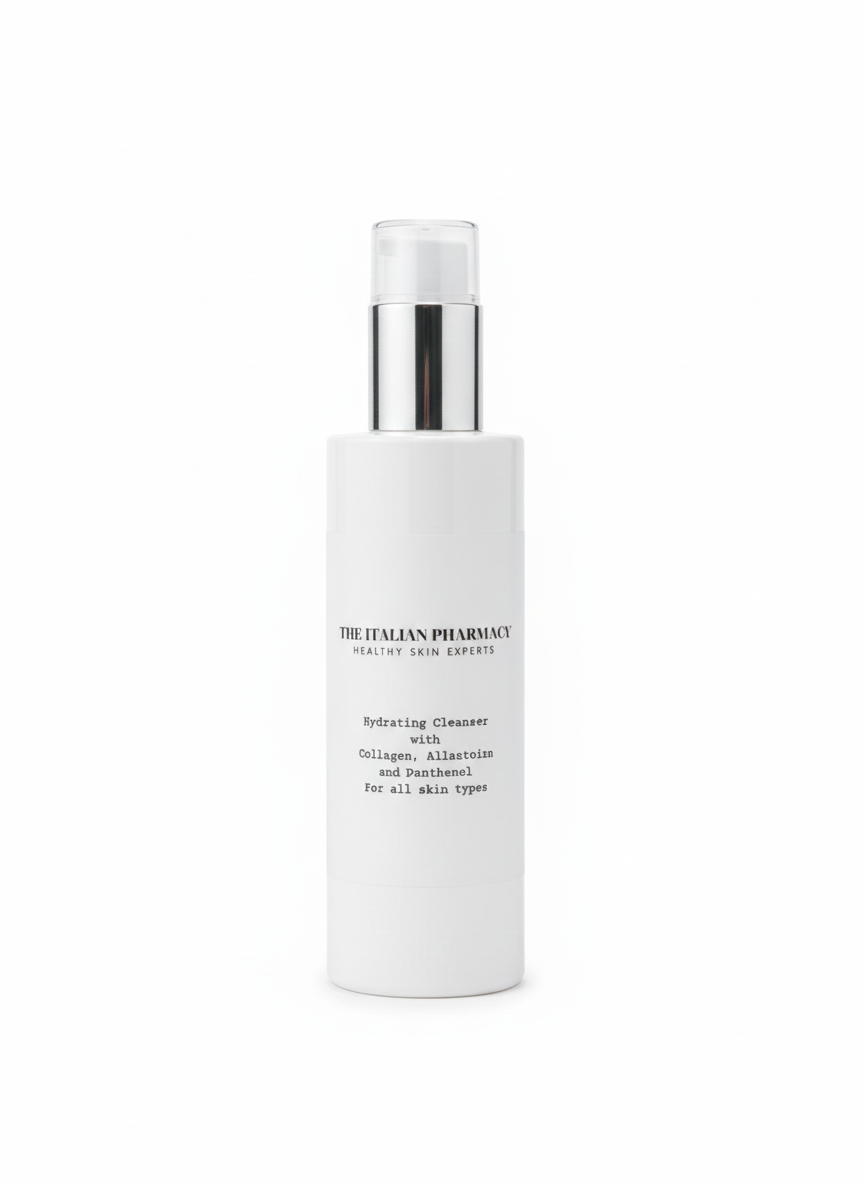
Step 1: Cleanse without stripping
Use a gentle cleanser in the evening to remove sunscreen, makeup, pollution, and excess oil. In the morning, you may only need lukewarm water or a small amount of cleanser, depending on your skin type.
The Foaming Cleanser: Deeply Cleansing, Gentle on Your Skin is formulated with panthenol and allantoin, ingredients commonly used for hydration and soothing support.
How to use it:
- Wet your face with lukewarm water.
- Massage a small amount gently for around 20–30 seconds.
- Rinse thoroughly.
- Pat dry instead of rubbing.
Your skin should feel clean: not squeaky, tight, or hot.
Step 2: Add one targeted hydration step
If your skin feels dehydrated, a simple serum can provide water-binding ingredients without adding multiple layers.
The Hydrating and Plumping Serum combines hyaluronic acid, argan oil, and carrot oil. Hyaluronic acid helps attract and retain water, while the oils contribute nourishment and softness.
Apply a small amount to slightly damp skin. If your skin is extremely reactive, start every other evening rather than immediately using it morning and night.

Step 3: Seal in comfort with a moisturizer
Finish with a moisturizer to help reduce water loss and improve the feeling of softness.
The Hydrating and Moisturizing Cream combines collagen and natural carrot oil. It is designed for use during the day or at night and is suitable for all skin types, including sensitive skin.
Use a small amount on the face and neck. A pea-sized portion is usually enough for the face; add more only if your skin needs it.

Every morning, add a fourth non-negotiable: broad-spectrum SPF 30 or higher.
Carrot oil is not sunscreen. Some laboratory studies have reported low SPF values for carrot seed oil, but those results cannot be used as reliable protection against sunburn, photoaging, or skin cancer. Use a dedicated sunscreen and reapply as directed.
The Pharmacist’s Breakdown: What to Avoid
A minimalist routine works best when you also remove common sources of irritation.
Try to avoid:
- Scrubbing or using rough cleansing brushes
- Applying undiluted essential oils to the face
- Introducing several new products at once
- Using strong exfoliating acids while your skin is burning or peeling
- Treating carrot oil as a retinol replacement or sunscreen
- Applying heavy layers of pure oil to acne-prone skin without monitoring congestion
Patch test new products on a small area first. If you experience persistent burning, swelling, hives, or worsening inflammation, stop using the product and speak with a dermatologist or healthcare professional.
Verdict: Less Can Be More: When the Formula Is Thoughtful
Carrot oil is not a miracle ingredient, and it does not need to be. Its value lies in what it can contribute to a balanced formula: nourishing emolliency, antioxidant support, and a comfortable finish.
For sensitive skin, the bigger win is often the routine around it:
- Cleanse gently.
- Hydrate intelligently.
- Moisturize consistently.
- Protect with sunscreen.
That is a practical approach to calmer skin today and better skin longevity over time.
At The Italian Pharmacy Cosmetics, our skincare is formulated by a pharmacist in Bologna, Italy, with a focus on pharmaceutical precision, Italian quality, and uncomplicated daily care. Explore the complete skincare collection or discover the Skincare Box if you prefer a coordinated routine.
FAQ: Carrot Oil and Minimalist Skincare
Is carrot oil good for sensitive skin?
It can be, particularly when included in a carefully formulated product at an appropriate concentration. Sensitive skin can react to any ingredient, so patch testing is still important.
Can I apply pure carrot seed oil directly to my face?
Be careful. Carrot seed essential oil is concentrated and should not be applied undiluted. For sensitive skin, a finished moisturizer or serum is generally a more controlled option than experimenting with pure essential oil.
Does carrot oil replace retinol?
No. Carrot oil may offer antioxidant and nourishing benefits, but it is not equivalent to retinol or prescription retinoids. If you are considering retinoids, introduce them with professional guidance: especially if your skin is reactive.
Does carrot oil protect against the sun?
No. Carrot oil should never replace sunscreen. Use a broad-spectrum SPF 30 or higher every morning.
How often should I use carrot oil skincare?
Start two or three times per week if your skin is sensitive. If there is no redness, itching, burning, or congestion, you can gradually increase use according to the product directions.
Can minimalist skincare help skin barrier damage?
A consistent routine built around gentle cleansing, moisturizing, and sun protection can support barrier comfort and hydration. If your skin is persistently inflamed, painful, or peeling, consult a dermatologist rather than relying only on cosmetic products.
Sources
- Vegetable Butters and Oils as Therapeutically and Cosmetically Active Ingredients for Dermal Use : Frontiers in Pharmacology
- Anti-Inflammatory and Skin Barrier Repair Effects of Topical Application of Some Plant Oils : International Journal of Molecular Sciences
- Antiaging Potential of Carrot Seed Oil-Based Cosmetic Emulsions : PubMed
- The Italian Pharmacy Cosmetics Hydrating and Plumping Serum
- The Italian Pharmacy Cosmetics Hydrating and Moisturizing Cream
- The Italian Pharmacy Cosmetics Foaming Cleanser