

Why Inflammaging Will Change the Way You Think About Skin Longevity
The beauty conversation is shifting from “How do I erase this line?” to “How can I keep my skin comfortable, resilient and healthy over time?” That shift has a name: skin longevity.
One concept behind it is inflammaging. A term for persistent, low-grade inflammatory activity associated with aging. It doesn’t mean every flush or dry patch is a sign of aging. But it does invite us to look beyond surface-level fixes and pay attention to the skin barrier, daily exposure and the way our routines make skin feel.
The good news? Supporting skin longevity doesn’t require a 12-step routine. It starts with understanding the skin’s defenses, and treating them kindly.
The Struggle: When Your Skin Feels “Too Small”
Does your face feel tight after cleansing? Do familiar products suddenly sting, or does your skin develop a rough, sandpaper-like texture? These sensations can be frustrating, especially when you’re trying to do the right thing for your complexion.
Sometimes the problem is not that your skin needs more powerful ingredients. It may be that its protective outer layer needs a little less disruption.
That outer layer, the stratum corneum, is often described as a brick wall: skin cells are the bricks, and lipids, including ceramides and fatty acids, help form the mortar. When that structure is compromised, moisture escapes more easily and irritants can get through. The result can be a “leaky bucket” effect: hydration drains away while skin becomes more reactive.
This is one reason skin longevity is about more than the appearance of fine lines. A comfortable, well-supported barrier is part of healthy skin at every age.
The Science: Inflammaging and the Barrier Loop
The skin barrier and inflammation influence each other. Research on epidermal dysfunction and inflammaging describes how age-related changes to barrier function may contribute to inflammatory signaling. Environmental stressors, including ultraviolet (UV) exposure and pollution, can also increase oxidative stress. The process in which reactive molecules may damage cellular components.
Think of it as a loop: a weakened barrier is less able to keep irritants out and moisture in; ongoing stress can add to irritation; and persistent irritation may make the barrier harder to maintain. This is a helpful model, not a diagnosis. Redness or sensitivity can have many causes, and ongoing or severe symptoms deserve advice from a dermatologist.
A 2025 skin healthspan framework from Mayo Clinic Proceedings puts practical skin care in the context of long-term health. Its broad message is refreshingly unglamorous: protect skin from environmental damage, use moisturizers and build habits that support skin health over time.
Where Carrot Oil Fits, and Where the Evidence Stops
Carrot oil is a popular botanical ingredient in skincare, often valued for its nourishing feel and antioxidant-related compounds. But “carrot oil” can refer to different preparations, and evidence about one ingredient or extract does not automatically apply to every finished formula.
There is some mechanistic research on beta-carotene. In a study using human skin ex vivo and mouse skin in vivo, topical beta-carotene was converted into retinyl esters in the skin. That’s an interesting biological finding, not proof that a carrot oil cream will reduce wrinkles or treat inflammaging in people. Read the study.
So, what are the carrot oil benefits for skin we can reasonably discuss? In a well-formulated product, carrot oil can be part of a nourishing skincare formula. It may complement moisturizing and antioxidant ingredients, depending on the full formula. But it is not a substitute for sunscreen or a clinically proven treatment for a skin condition. A clinical overview notes that evidence for carrot oil as a treatment remains limited and that allergic reactions are possible for some people. Carrot oil overview.
The Rescue Routine: Four Skin-Longevity Steps
A calm, consistent routine is often a better starting point than a shelf full of new actives. If your skin is sensitive, introduce one new product at a time and patch test first.
-
Cleanse without stripping. Use a gentle cleanser and lukewarm water. If your face feels squeaky or tight afterward, consider a milder approach. The goal is clean skin, not a “deep-clean” sensation.
-
Support the barrier. Apply a moisturizer that leaves skin comfortable, not coated or irritated. Think of it as repairing the mortar between the bricks: a steady, simple step helps reduce the feeling of dryness and tightness.
-
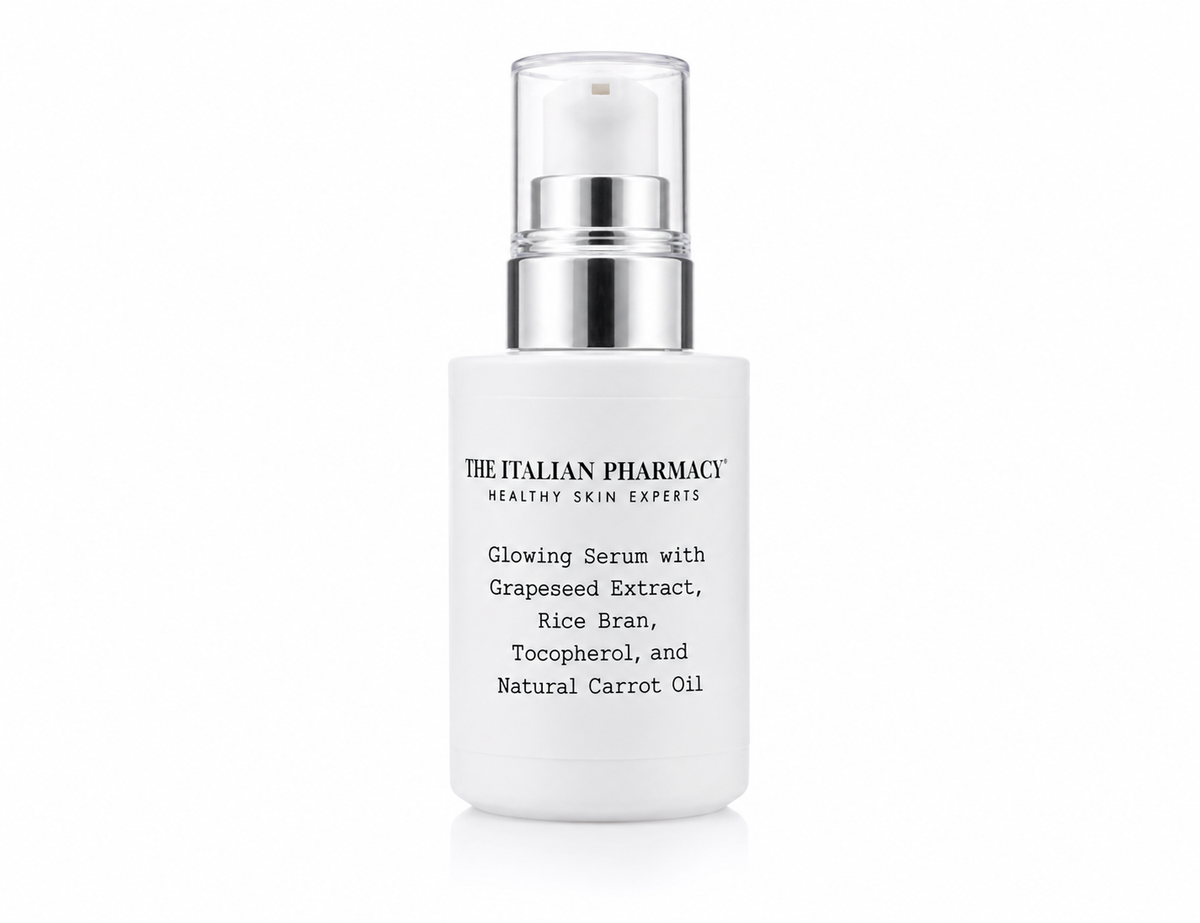
Use antioxidants as supporting players. Antioxidants are one part of a thoughtful routine, not an invisible shield against every stressor. The Italian Pharmacy’s Antioxidant Face Serum includes grapeseed oil, rice bran, tocopherol (vitamin E) and natural carrot oil. Follow the product directions and stop if you develop irritation.
-
Wear broad-spectrum sunscreen every day. UV protection is a cornerstone of skin longevity. In a randomized trial, daily sunscreen slowed the development of solar keratoses; beta-carotene supplementation did not show the same benefit. This is a useful reminder: a botanical ingredient is not a sunscreen replacement. See the trial.
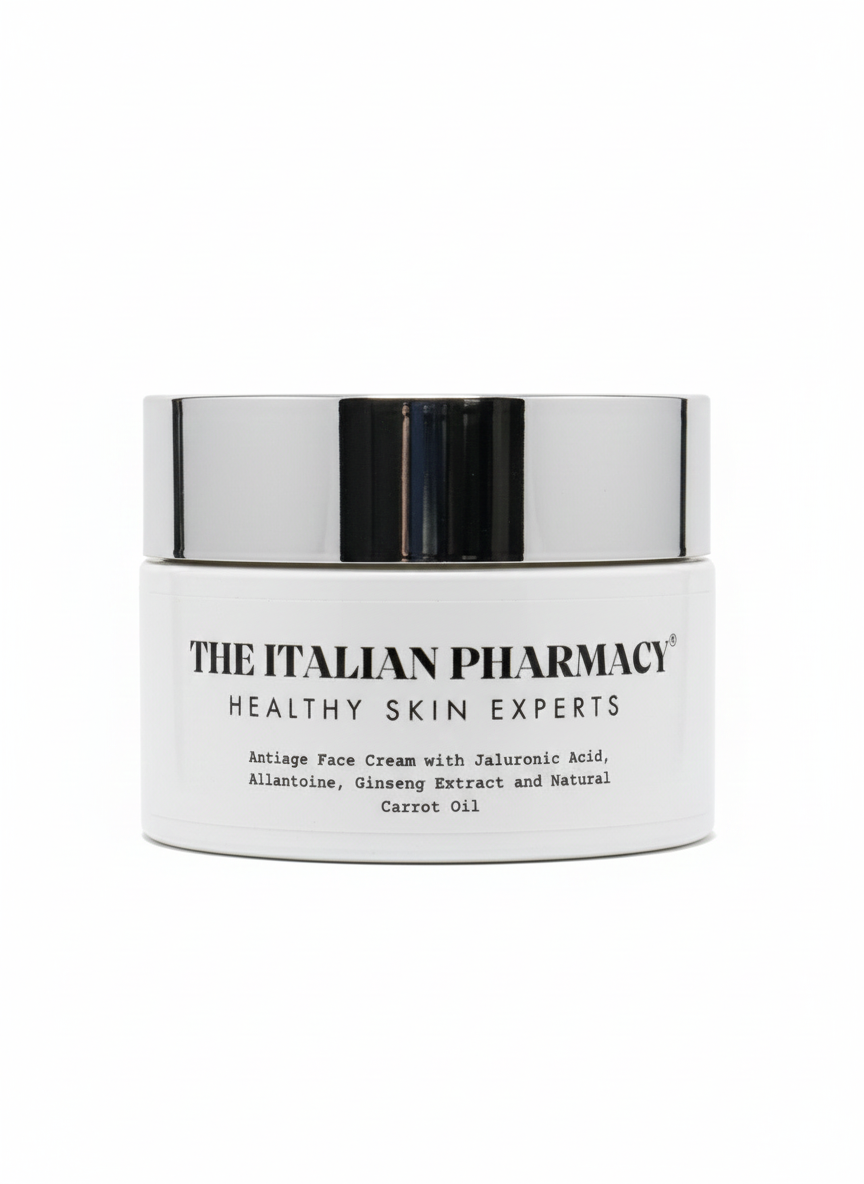
For a moisturizing step, the Antiaging Cream for Radiant, Youthful Skin is formulated with hyaluronic acid, allantoin, ginseng extract and natural carrot oil. Think of “antiaging” here as supporting comfort, hydration and radiance, not stopping the natural aging process.
A Simple, Personalized Place to Start
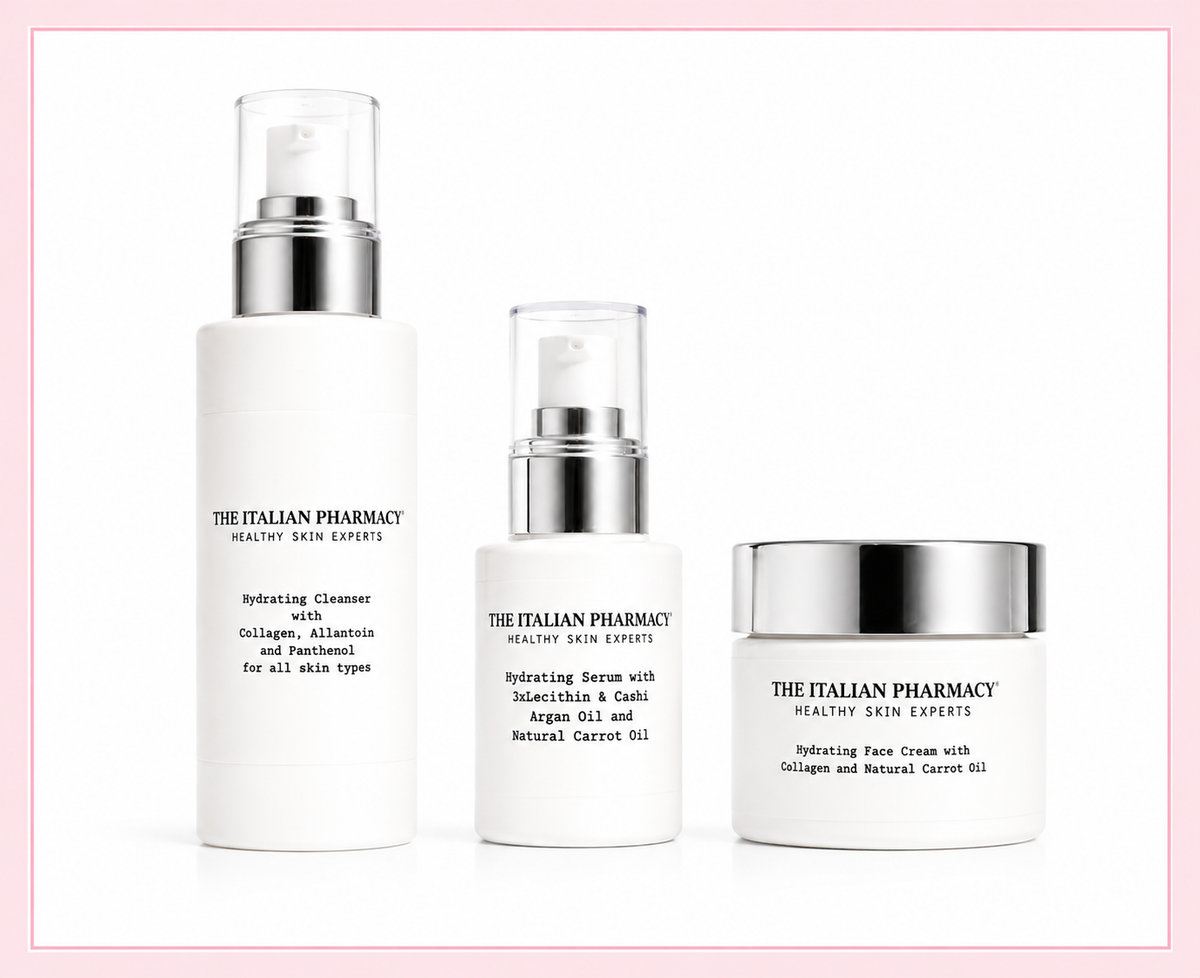
If choosing products feels like another source of stress, a smaller, matched routine may be more useful than chasing every trend. The Skincare Box is a $99.90 personalized three-product protocol: a cleanser, targeted serum and moisturizer selected after a short skin assessment.
Verdict: Skin Longevity Is About Consistency, Not Perfection
Inflammaging is a useful lens for thinking about skin health: barrier function, environmental stress and inflammatory signaling are connected. But it isn’t a reason to fear every ingredient, or to expect one oil or cream to solve everything.
For a practical start, keep your routine gentle, moisturize consistently, use broad-spectrum sunscreen and introduce new products gradually. Carrot oil can be one ingredient in a nourishing formula, but the best skincare for sensitive skin is the routine your skin can comfortably tolerate.
FAQ: Inflammaging and Carrot Oil
Is inflammaging the same as having sensitive skin?
No. Inflammaging describes persistent, low-grade inflammatory processes associated with aging. Sensitive skin describes a pattern of discomfort or reactivity and can have many causes. One does not automatically mean the other.
Can carrot oil protect my skin from the sun?
No. Do not rely on carrot oil for sun protection. Use a broad-spectrum sunscreen, and reapply according to its label and your exposure.
Can I use carrot oil if I have sensitive skin?
Possibly, but sensitivity is personal. Patch test a new product first, introduce it on its own, and discontinue use if you notice burning, itching or a rash. “Natural” does not guarantee irritation-free.
Do I need a complicated routine for skin longevity?
No. A gentle cleanser, a comfortable moisturizer and daily sunscreen are a sensible foundation. Add other products only when they suit your needs.
Ready to make your routine simpler? Explore the Antiaging Cream, Antioxidant Face Serum, or personalized Skincare Box, and give your skin a steady, thoughtful start.