

Minimalist Skincare & Carrot Oil Benefits: Skin Fasting. Should You Give Your Skin a Break or Is It a Trend to Skip?
If your skincare shelf has started to look like a chemistry lab, and your cheeks feel tight, stingy, or unexpectedly rough, the idea of stopping everything can sound wonderfully simple. That’s the promise of “skin fasting”: put your products away and let your skin rest.
But sensitive skin doesn’t always need nothing. Sometimes it needs less of the wrong things and a few dependable basics. Here’s what skin fasting can, and can’t, do, plus a practical minimalist skincare routine for a calmer reset week.
The Struggle: When Skincare Starts to Feel Like Too Much
Maybe your face feels “too small” after cleansing. Maybe your moisturizer suddenly stings, or your usual routine leaves you with redness and sandpaper texture. When several new products, exfoliants, retinoids, and brightening ingredients enter the routine at once, it can be hard to tell what your skin is reacting to.
That’s where the social-media trend of skin fasting comes in. It generally means taking a break from some or all skincare products. The term has been associated with a Japanese skincare brand and promoted as a way to let skin “reset.” (Byrdie explains the skin-fasting trend.)
The appealing idea is that your skin might “get used to” products or become dependent on them. But ordinary moisturizers and cosmetic skincare don’t make skin addicted. And your skin doesn’t detox because you stop applying products. Still, trimming a routine can be useful if you’re layering too many actives or trying to identify a potential irritant.
That distinction matters: a product holiday may help you simplify; it isn’t a proven treatment for every skin concern.
The Science: Your Barrier Needs Support, Not a Punishment
Your outermost skin layer, the stratum corneum, is a bit like a brick wall. Skin cells are the bricks; lipids help form the mortar. A healthy barrier helps limit water loss and keeps everyday irritants from getting too comfortable.
With sensitive or reactive skin, that wall may be more easily disrupted, or the nerves and immune system may respond more strongly to sensations and ingredients. A review on sensitive skin discusses these different factors and why product selection matters. (Journal of Drugs in Dermatology review.)
If the barrier is already unhappy, dropping everything can leave some people drier or less comfortable, especially if they stop moisturizing or skip sun protection. In a small four-week study, gentle cleansing and moisturizing helped participants with mild acne and dry, sensitive skin; it does not prove one routine works for everyone, but it’s a useful reminder that careful skincare isn’t automatically the enemy. (Clinical study on cleansing and moisturizing for sensitive skin.)
The practical takeaway: pause likely irritants and unnecessary extras, not the basics your skin relies on.
Where carrot oil fits, and where it doesn’t
Carrot oil is a nourishing botanical ingredient used in some skincare formulas. Carrot-derived carotenoids, including beta-carotene, are studied for antioxidant activity and potential support against oxidative stress. But evidence about carotenoids in skin includes different forms and routes of use; it doesn’t establish that a topical carrot-oil product will solve sensitivity or reverse skin aging. (Review of carotenoids and skin protection.)
In a formula that suits you, carrot oil may contribute nourishing emollient care without feeling overly heavy. But “natural” doesn’t mean allergy-proof: patch test, and stop using it if it causes irritation. Carrot oil is not retinol, and it is not sunscreen. Keep daily broad-spectrum SPF in your routine; the American Academy of Dermatology offers practical sun-protection guidance.
The Reset Routine: Four Steps, One Week
For seven days, aim for consistency rather than a dramatic “detox.” If you already tolerate a basic routine, there’s no need to stop it just because a trend says so.
1. Cleanse gently
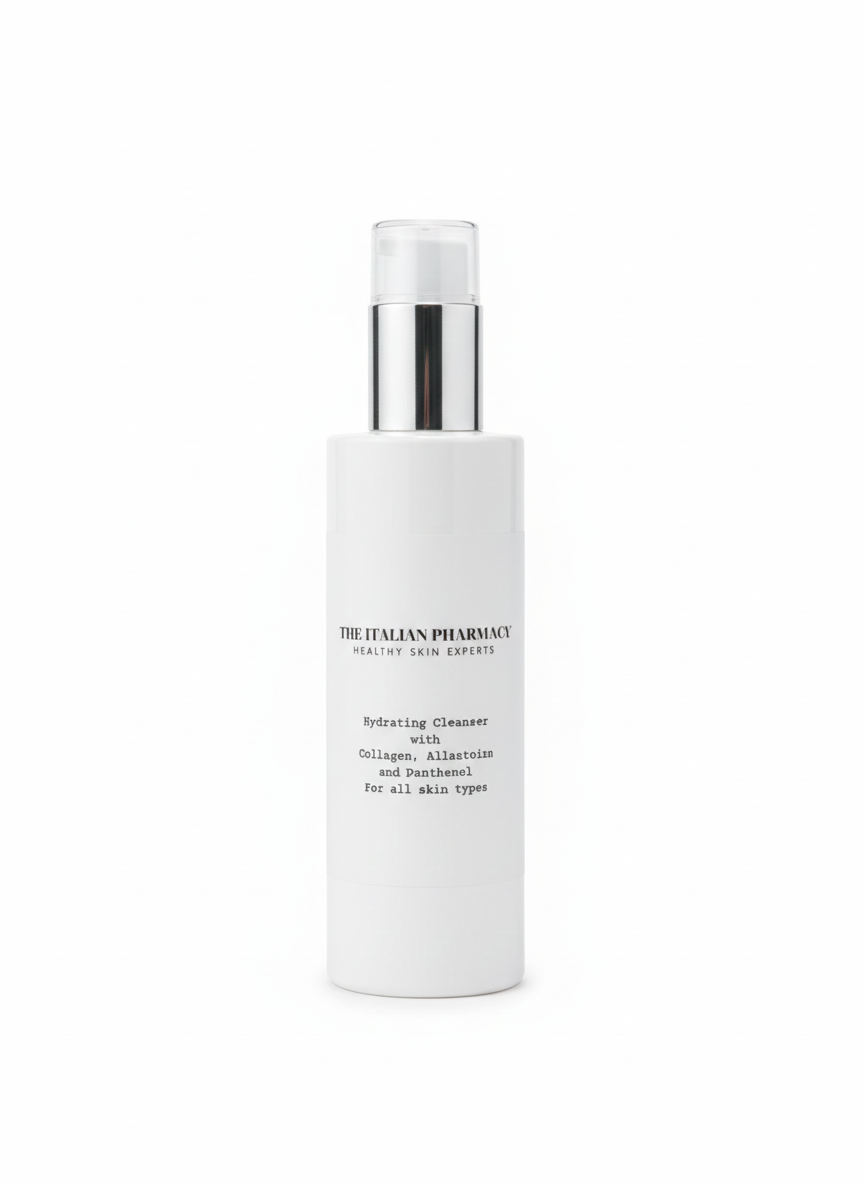
Use lukewarm, not hot, water and avoid scrubbing. In the morning, a water rinse may be enough if your skin is dry or easily irritated. In the evening, cleanse to remove sunscreen, makeup, and the day’s buildup.
The Foaming Cleanser is formulated with panthenol and allantoin alongside cleansing ingredients. As with any product, judge it by how your skin responds: a cleanser should leave your face feeling comfortable, not squeaky or tight.
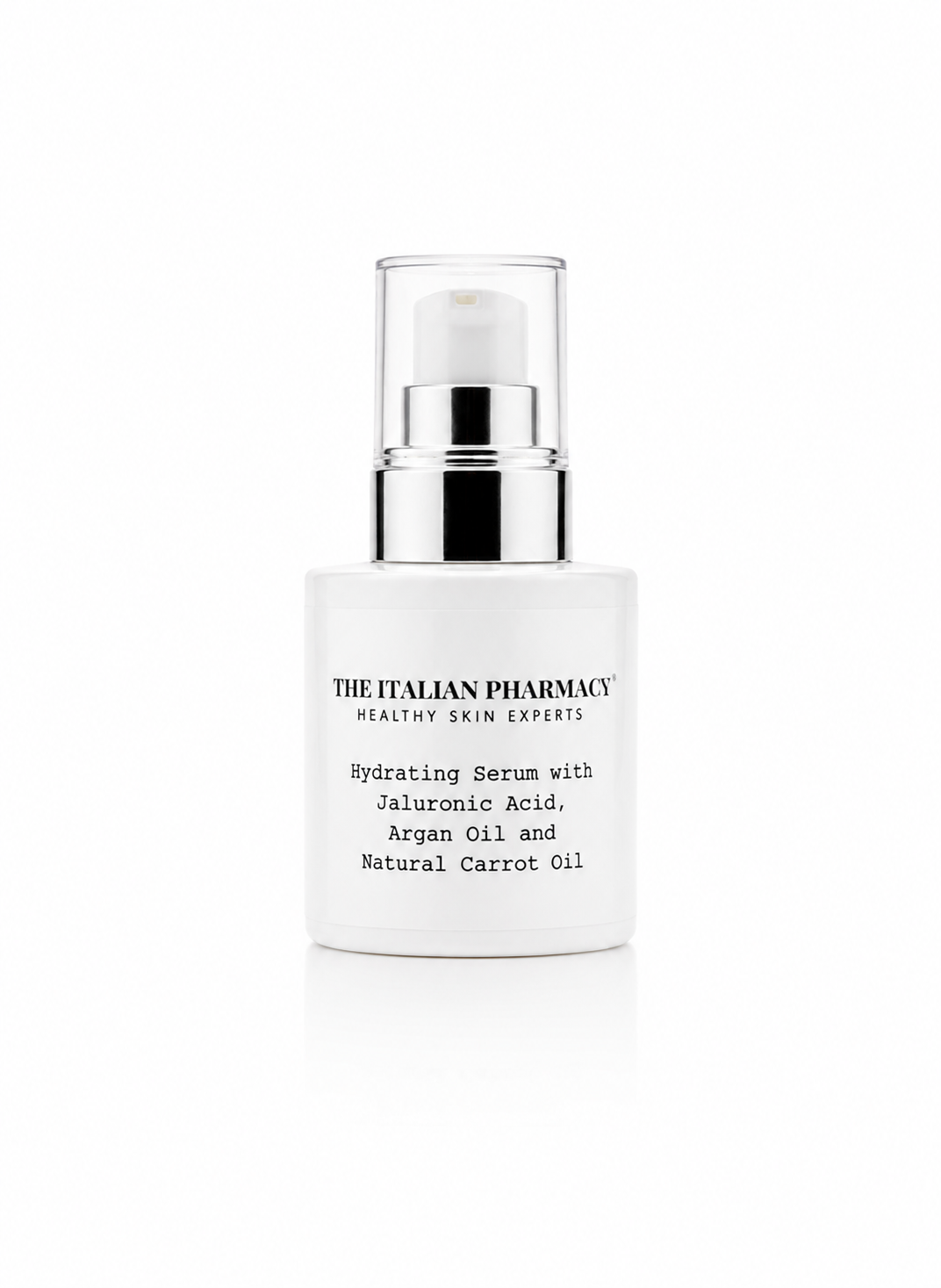
2. Add one hydrating serum, only if it feels good
A serum is optional, not a test of skincare commitment. If hydration is a goal and your skin is currently calm, try one serum rather than layering several. The Hydrating and Plumping Serum contains hyaluronic acid, argan oil, and carrot oil. Apply a small amount and discontinue if you notice persistent stinging or redness.
3. Moisturize to support the barrier
Choose one moisturizer and use it consistently. The Hydrating and Moisturizing Cream includes natural carrot oil. Its product page describes it as suitable for all skin types, including sensitive skin; individual tolerance still varies, so patch test before using it across your face.

4. Wear sunscreen every morning
Use a broad-spectrum sunscreen that you already tolerate, following its label directions and reapplying as advised. SPF isn’t an optional “extra” to cut during a reset. If sunscreen itself seems to trigger a reaction, ask a dermatologist or pharmacist to help you find a suitable alternative rather than going without protection.
For the reset week, pause the extras
Consider temporarily setting aside newly introduced products, scrubs, exfoliating acids, and nonessential potent actives, especially if the timing matches your symptoms. Don’t stop prescription treatments without checking with the clinician who recommended them.
You don’t need a separate eye cream or anti-aging cream just to complete this routine. If your skin is already comfortable with them, they may be part of your personal routine, but a reset is a good time to avoid adding more variables. Later, you can reintroduce products one at a time, with several days between additions, so it’s easier to spot a reaction.
The Italian Pharmacy Approach: Fewer Steps, Thoughtful Formulas
A minimalist skincare routine doesn’t have to mean bare skin. It can mean choosing a small number of products with clear roles (cleanse, hydrate, moisturize, protect) and giving your skin time to show you how it responds.
The Italian Pharmacy Cosmetics line is formulated by a pharmacist in Bologna, with Made in Italy quality and a focus on pharmaceutical precision. The brand describes its skincare as dermatologist-tested and made without parabens. Carrot oil features across select formulas as a nourishing antioxidant-support ingredient, not as a cure-all or a substitute for proven sun protection.
If you’re curious about the ingredient, explore why carrot oil is used in skincare and compare the products’ formulas before choosing what suits you.
Verdict: Give Your Routine a Reset, Not Your Skin a Desert
Skin fasting can be a useful prompt to stop and simplify, especially when your routine is crowded or something is irritating your skin. But for most people, “rest” doesn’t have to mean zero products. A gentle cleanser, moisturizer, and daily sunscreen are often a more practical starting point, with a hydrating serum if your skin tolerates it.
That’s skincare for sensitive skin with skin longevity in mind: steady barrier care, fewer unnecessary irritants, and sun protection you can maintain over time.
Try a one-week reset, patch test new products, and keep notes on what changes. If burning, rash, swelling, or persistent irritation continues, consult a dermatologist.
FAQ: Skin Fasting and Carrot Oil
Does skin get used to skincare products?
Not in the sense of becoming addicted to a typical cleanser or moisturizer. If a product seems less effective, your skin or its needs may have changed, or the early results may simply have become less noticeable.
Can I stop all skincare for a week?
You can simplify, but stopping everything isn’t necessary and may leave skin uncomfortable. Keep sunscreen in the morning, and consider retaining a gentle cleanser and moisturizer that you already tolerate.
Is carrot oil good for sensitive skin?
It can be a nourishing ingredient in a formula that works for you, but sensitive skin varies. Patch test first, and discontinue if you react. “Gentle” is not a guarantee for every individual.
Can carrot oil replace retinol or SPF?
No. Carrot oil is not a retinol treatment and does not replace sunscreen. If you’re considering a retinoid, or you’re unsure whether to pause a prescribed treatment, ask your healthcare professional.
What if my skin still feels irritated after the reset week?
Don’t keep experimenting indefinitely. Persistent irritation, rash, swelling, or worsening symptoms deserve professional advice, especially if a product may have caused an allergic reaction.
Want help keeping your routine simple? The Skincare Box, $99.90 includes a full-size cleanser, targeted serum, and moisturizer selected after a short skin assessment. Or contact us to ask about a personalized three-product set for your skin goals.