

How to Build a 3-Step Skin Longevity Routine After 40 (Easy Guide for Sensitive Skin)
The routine that worked at 30 may suddenly feel less comfortable at 40. Your cheeks feel tight after cleansing. A serum that used to be fine now brings a sting. Your skin looks a little dull, and adding more products seems like the obvious answer, but often leaves your face feeling like it’s wearing a mask that’s too small.
The solution isn’t a 12-step routine. It’s a simple, repeatable plan that respects your skin barrier and supports skin health over time.
The Struggle: What Can Change After 40?
Age 40 isn’t a biological switch. Skin changes gradually, and the timing varies from person to person. But the years around perimenopause and menopause can bring noticeable shifts.
Estrogen levels change during this transition, and research links menopause with changes in skin moisture, thickness, elasticity and barrier function. One study found changes in the ceramide profile of the stratum corneum, the skin’s outermost protective layer, after menopause. Ceramides act like part of the “mortar” between skin cells. When that mortar is less effective, moisture can escape more easily and everyday products may feel less comfortable. (Scientific Reports study; review of menopause-related skin changes)
Collagen, which helps give skin structure and firmness, also changes with age. Around menopause, the pace of collagen loss may increase. That doesn’t mean your skin is suddenly failing. It means a steady focus on hydration, barrier comfort and sun protection can be more useful than chasing a quick fix. (Review of menopause and skin function; research on collagen production in aged skin)
Cell renewal is another area that gets oversimplified. Skin’s renewal and shedding processes can change with age, but there isn’t one universal “turnover speed” for everyone over 40. If your complexion looks rough or feels less smooth, that’s not an automatic signal to scrub harder.
The skin-longevity takeaway: a comfortable barrier is a good foundation. You don’t need to make sensitive skin “work harder” with a pile of strong actives.
The Rescue Routine: Three Simple Steps
A minimalist skincare routine can help reduce the number of things your skin has to tolerate. Introduce products gradually, and patch-test new formulas, especially if your skin is reactive.
1. Cleanse gently
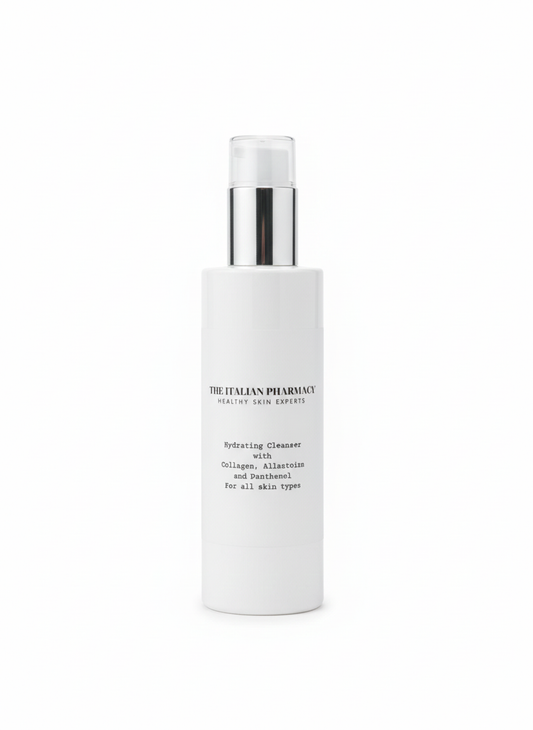
In the evening, use a gentle cleanser to remove the day’s buildup, sunscreen and makeup. The goal is clean skin, not that squeaky feeling. If your face feels tight or “too small” after washing, the cleanser may be too stripping for you, or you may be cleansing more often than needed.
The Foaming Cleanser is described by the brand as a gentle daily cleanser with collagen, panthenol and allantoin. Use lukewarm water, keep the massage brief, and pat dry rather than rubbing with a towel.
Sensitive-skin adjustment: If cleansing in the morning leaves you uncomfortable, try rinsing with lukewarm water instead and save cleanser for the evening.
2. Hydrate and plump

Apply a thin layer of the Hydrating and Plumping Serum after cleansing. The product page describes a formula with hyaluronic acid, argan oil and natural carrot oil.
Hyaluronic acid is a humectant: it helps attract and hold water in the skin’s upper layers. Think of it as helping fill a leaky bucket, while the moisturizer in the next step helps reduce moisture loss. Apply the serum as directed on the label. If it feels comfortable on slightly damp skin, that can be a practical way to layer it before cream.
More isn’t better. Start with a small amount, and give your skin a few days to get used to the product before adding anything else.
3. Nourish with cream, and protect from the sun

Finish with the Antiaging Cream, a carrot-oil-based moisturizer. Cream helps soften skin and seal in the comfort of your routine. The brand describes its formula as pharmacist-developed, dermatologist-tested, free from parabens and harsh chemicals, and suitable for all skin types, including sensitive skin.
A clear note about carrot oil benefits for skin: oils can help condition skin and support a more comfortable-feeling routine. But a carrot-oil ingredient is not a proven shortcut to rebuilding collagen, and it is not sunscreen. Formulas differ, and the effects of an individual product depend on its full ingredient blend.
In the morning, finish with a separate broad-spectrum SPF 30 or higher. This is the protection step your routine shouldn’t skip: carrot oil and moisturizer do not replace sunscreen. Daily sun protection is a key part of caring for skin over time. For more on skin changes around menopause, see the American Academy of Dermatology’s guide.
The Breakdown: Make It Work for Sensitive Skin
A simple routine only works if your skin can tolerate it. Keep these basics in mind:
- Add one new product at a time so you can spot what agrees with your skin.
- Patch-test first, particularly if you have a history of reactions.
- Pause a new product if you develop persistent burning, redness, itching or scaling.
- Avoid layering several strong exfoliants or retinoids while your skin feels irritated.
- If sensitivity continues or you suspect eczema or rosacea, ask a dermatologist for guidance.
The goal isn’t to avoid every active ingredient forever. It’s to give your skin a calm baseline before deciding whether it needs more.
Verdict: Three Products, One Consistent Routine
After 40, your skin may benefit from a little more attention to hydration and barrier comfort, but not necessarily more steps. Start with:
- Cleanse gently in the evening.
- Hydrate with a serum your skin tolerates.
- Nourish with cream, then use SPF 30+ in the morning.
The Italian Pharmacy Cosmetics’ three-product routine is formulated by a pharmacist in Bologna, Italy. Its Skincare Box includes a full-size cleanser, targeted serum and moisturizing cream selected after a short skin assessment. It is listed at $99.90. Check the product page for current availability and details.
A routine doesn’t need to be complicated to be thoughtful. Choose a few steps you can keep up with, give your skin time to respond, and let consistency do the quiet work.
FAQ
Should I use the cleanser morning and night?
You can use it as directed on the product label, but if your skin feels tight, try cleansing only at night and rinsing with lukewarm water in the morning.
Can carrot oil replace my sunscreen?
No. Carrot oil is not sunscreen. Apply a separate broad-spectrum SPF 30 or higher in the morning.
Is this routine suitable for sensitive skin?
The brand states that its products are dermatologist-tested and suitable for all skin types, including sensitive skin. Individual reactions still vary, so patch-test and stop use if persistent irritation develops.
Do I need retinol or exfoliating acids for skin longevity?
Not necessarily. They may suit some people, but they can irritate sensitive skin. First establish a comfortable cleansing, moisturizing and sunscreen routine. Ask a dermatologist if you’re considering stronger actives or have ongoing skin concerns.
What should I do if a product stings?
Rinse it off and pause use. Don’t layer another active product to “fix” the feeling. If burning, redness or irritation persists, consult a dermatologist.